On the morning of July 6, the opening ceremony of the 2026 Peking University National Graduate Summer School on “Eastern Literature and National Modernization” was successfully held at Teaching Building No. 2, Peking University. The ceremony was moderated by Associate Professor Weng Jiahui of the School of Foreign Languages, Peking University. Professor Wang Dan, Associate Dean of the School of Foreign Languages, Peking University; Mr. Qu Yizhen, Deputy Director of the Graduate Education Office, Peking University; Professor Mao Zhenhua, Vice President of Zhejiang International Studies University; Associate Professor Li Ning, Dean of the School of Middle Eastern Studies, Beijing International Studies University; Mr. Chen Yueguang, President of Academy of Chinese Culture; and Professor Lin Fengmin, Deputy Director of the Office of Humanities and Social Sciences, Peking University, delivered remarks respectively.
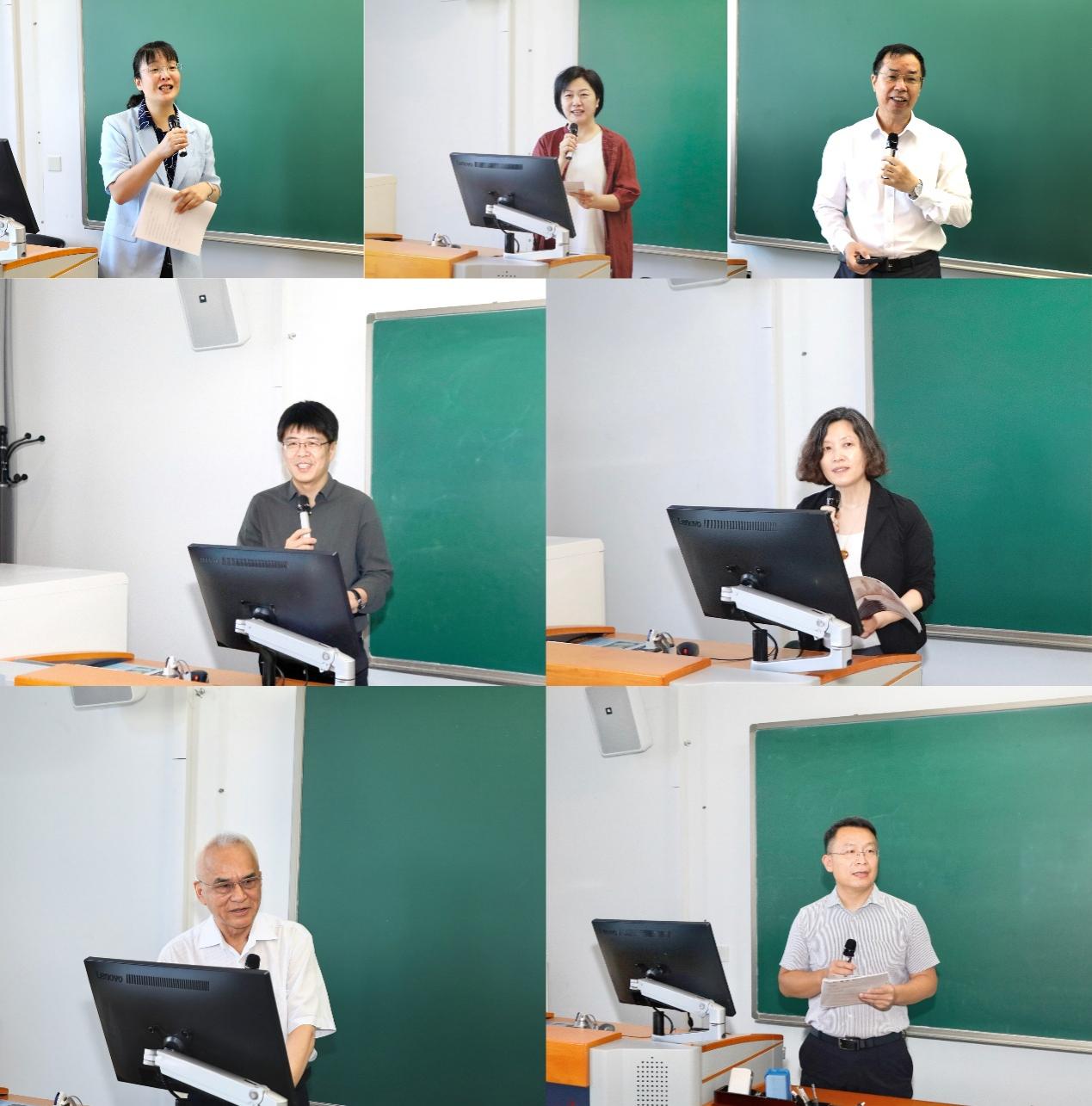
Moderator and Speakers at the Summer School Opening Ceremony
(Top row: Associate Professor Weng Jiahui; Professor Wang Dan; Professor Lin Fengmin;
Second row: Deputy Director Qu Yizhen; Associate Professor Li Ning;
Third row: President Chen Yueguang; Professor Mao Zhenhua)
Professor Wang Dan welcomed the participating experts, scholars, and students. She noted that over the years, the Research Center of Eastern Literature, Peking University, and the School of Foreign Languages, Peking University, working with various partners and relying on the relay efforts of academic experts, young volunteers, and participants from previous sessions, have successfully held seventeen previous sessions of the summer school, gradually forging it into a high-quality academic brand. She emphasized that Eastern literature has always played an important role in the process of national modernization. From Tagore to Lu Xun, and from Kawabata Yasunari to Mahfouz, Eastern literature embodies the underlying experiences of various countries as they explored paths to modernization. This summer school is committed to building a high-level academic exchange platform for participants, aiming to guide young scholars to uncover the profound wisdom of Eastern literature and explore inclusive and symbiotic paths to modernization. She expressed the hope that all participants would broaden their horizons and stimulate inspiration through listening and dialogue, and reflect deeply on the inheritance and innovation of Eastern civilizations in the process of modernization.
In his remarks, Deputy Director Qu Yizhen introduced that since its implementation in 2009, the Graduate Education Innovation Program of Peking University has attracted more than 40,000 participants from home and abroad in total. Among them, the Eastern Literature summer school series, as a brand program held for eighteen consecutive sessions, has trained more than 2,000 academic talents. It has not only initially established a comprehensive teaching and research system, but also made important contributions to talent cultivation and research development in the field of Eastern literature at higher education institutions in China. He stated that in recent years, the summer school has closely addressed issues of the times and adopted a Chinese academic perspective, closely aligning with the Graduate School’s goals of promoting the sharing of high-quality resources and strengthening cutting-edge research. He hoped that all participants, during the 12-day thematic courses, would broaden their academic horizons and stimulate their innovative potential with an open mind.
Professor Mao Zhenhua pointed out that Peking University has a profound heritage in Eastern studies. Through the accumulated legacy of senior scholars such as Ji Xianlin and Jin Kemu and the passing of the torch by generations of scholars, it has established itself as a leading center for Eastern literary studies in China. The summer school initiated by the Research Center of Eastern Literature has become an academic hall for exchange and discussion in the field of Eastern literature nationwide and a cradle for cultivating young scholars, greatly advancing the in-depth development of Eastern literary studies in China. Professor Mao encouraged all participants to cherish the opportunity to study at Peking University, to think diligently, conduct research, and learn from one another, and wished the summer school complete success.
Associate Professor Li Ning congratulated the summer school on its successful opening. She noted that the theme “Eastern Literature and National Modernization” has profound academic significance and clear contemporary value. The curriculum of this summer school adheres to an interdisciplinary approach and the concept of “Greater Eastern Literature.” It aims to respond to the issues of the times by breaking disciplinary boundaries and connecting diverse civilizations, and to cultivate thought-oriented scholars with a broad vision of mutual learning among civilizations. As a vital new force in Eastern literary studies, participants should cherish this valuable learning opportunity, explore in depth the diverse vitality of Eastern Literature with a broad Eastern perspective and a broad literary vision, and distill Chinese academic wisdom through exchange and mutual learning.
In his remarks, President Chen Yueguang pointed out that the theme of this summer school is academically profound and forward-looking. Starting from the dual research perspectives of literature and the Orient, the theme breaks away from a singular economic view of history and transcends the Western-centric narrative paradigm of modernization, carrying special contemporary significance for young scholars’ participation in narrating human history. He emphasized that the modernization process has not yet ended. In the face of the revolutionary challenges brought by artificial intelligence today, literary studies must all the more shoulder the mission of rediscovering the humanistic spirit. The new generation of Eastern literature researchers should grasp the pulse of the times and respond to the new challenges brought by technological change with humanistic thinking.
Professor Lin Fengmin delivered remarks on behalf of the Office of Humanities and Social Sciences, Peking University, and the Research Center of Eastern Literature, Peking University, a Key Research Institute of Humanities and Social Sciences of the Ministry of Education. He introduced the selection of participants for this summer school and the distribution of faculty from home and abroad and from within and outside the university. He noted that the Eastern Literature summer school has always adhered to the philosophy of “serving national strategies” and “serving the whole country,” and is committed to promoting the sharing of high-quality academic resources. He emphasized that literary research is by no means detached from society; on the contrary, it is closely related to national development. Amid the wave of artificial intelligence, humanistic research and ethical reflection are indispensable, and humanities and social sciences talent has irreplaceable value in technological development. He encouraged participants to devote themselves to their studies and research and establish long-term academic connections, and wished all participants a fruitful learning experience.
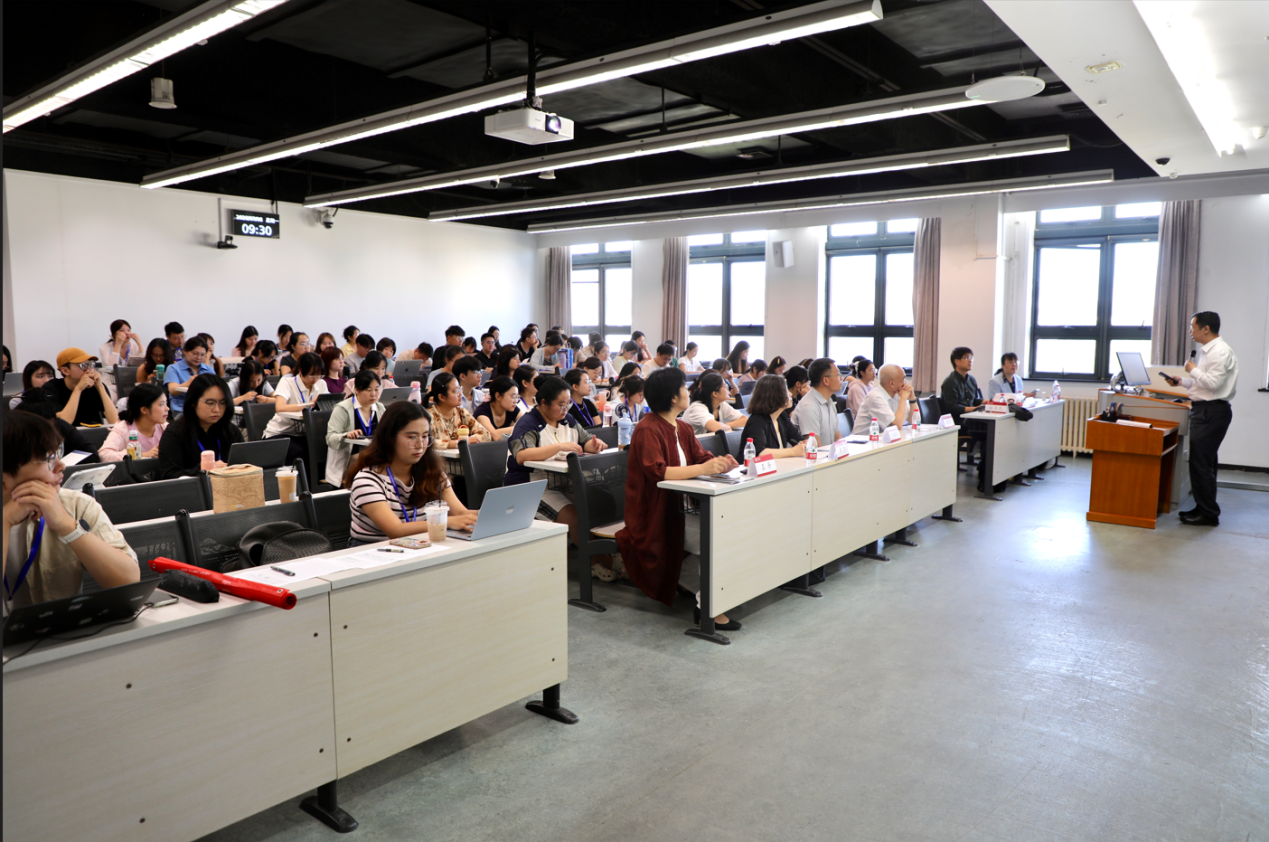
Scene from the Opening Ceremony
This summer school lasts two weeks and invites experts and scholars from home and abroad to give special lectures. More than 110 participants from over 60 universities at home and abroad will deepen their professional knowledge and broaden their academic horizons through a rich program of in-person instruction. The summer school also features six sub-forums, including “Eastern Folk Literature,” “Southeast Asian Literature,” “West Asian and North African Literature,” and “Area Studies,” providing a diverse platform for participants to exchange learning experiences and share research insights.
This summer school is supported by Peking University’s 2026 Graduate Education Innovation Program. It is co-hosted by the Research Center of Eastern Literature, Peking University, and the School of Foreign Languages, Peking University, and co-organized by the Editorial Office of Foreign Literatures; the School of Asian Languages and Cultures, Zhejiang International Studies University; the China-Arab Research Center for Cultural and Tourism Cooperation, Beijing International Studies University; the Transcultural Studies Branch of Academy of Chinese Culture; the Eastern Literature Research Committee of the Chinese Association of Studies of Foreign Literature; and the “Endangered Disciplines” Support Program of Chinese Academy of History (Peking University’s “Ancient Indian Civilization Studies” Discipline).
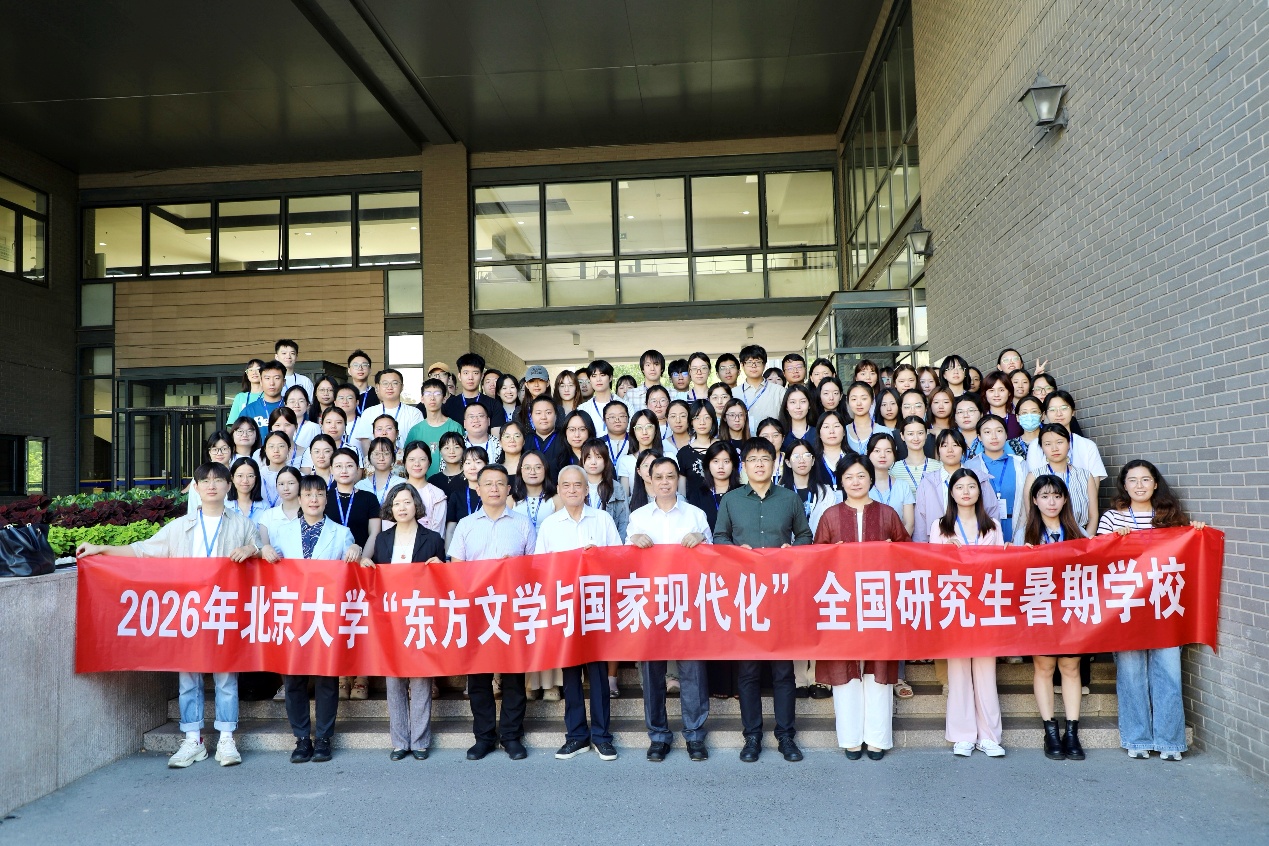
Group Photo of the Summer School
Text by Li WenboPhotos by Zhang Jingjing Reviewed by Zhang Jing, Weng Jiahui, and Lin FengminTranslated by Zou Ya