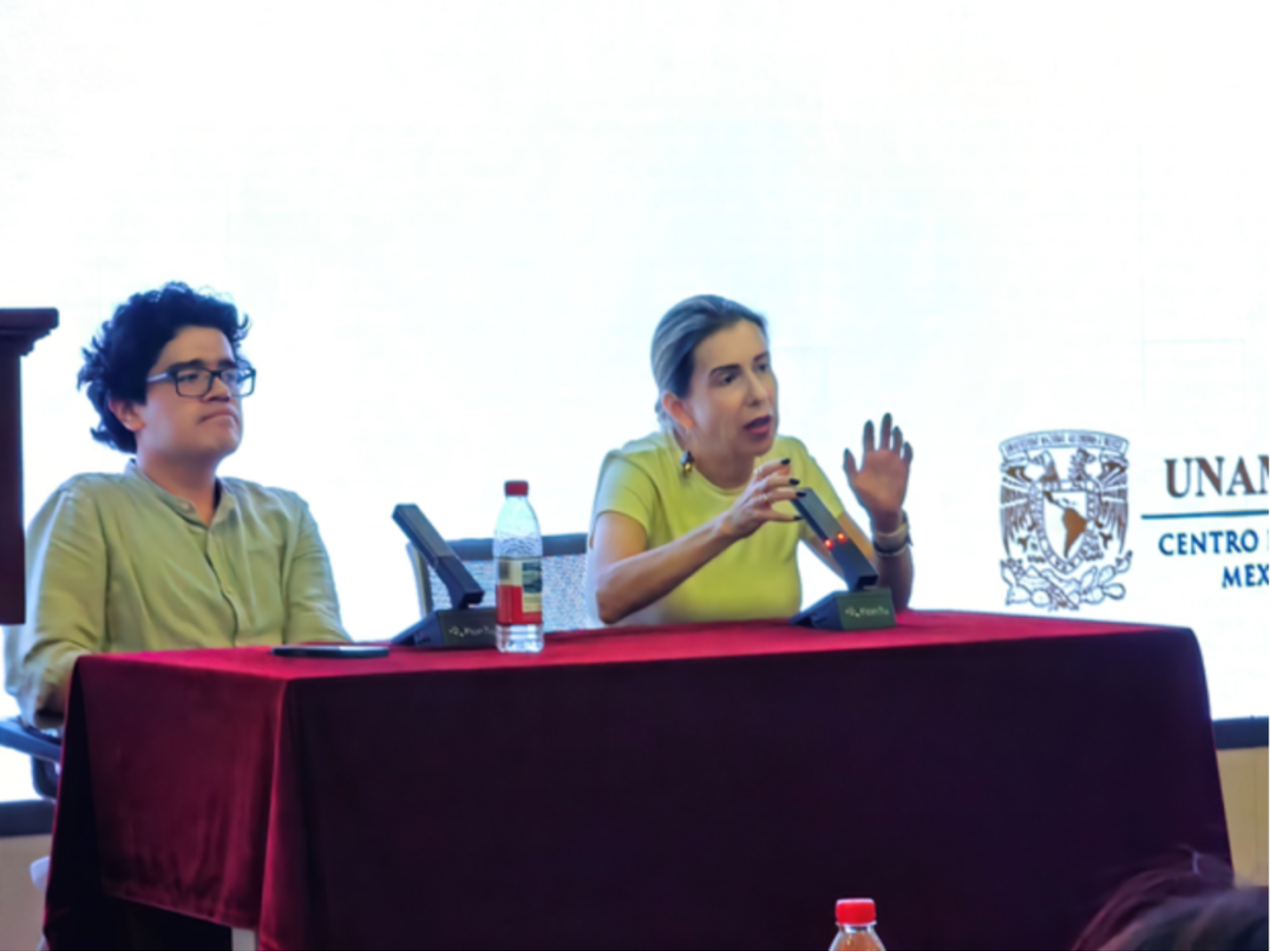
On the afternoon of May 26, at the invitation of the Department of Hispanic Languages and Literatures at the School of Foreign Languages, Peking University, and with the support of the Center for Mexican Studies (UNAM China), two distinguished Mexican writers visited Peking University to deliver a lecture entitled Contemporary Mexican Literature in the Twenty-First Century. The speakers were Ms. Julia Santibáñez, poet, writer, cultural manager and head of the Literature Department at UNAM, and Mr. Eduardo Cerdán, writer, editor, and coordinator of the UNAM School of Writing. The lecture was moderated by Professor Lu Yanping, Chair of the Department, while postgraduate student Jiang Yuyue provided consecutive interpretation.
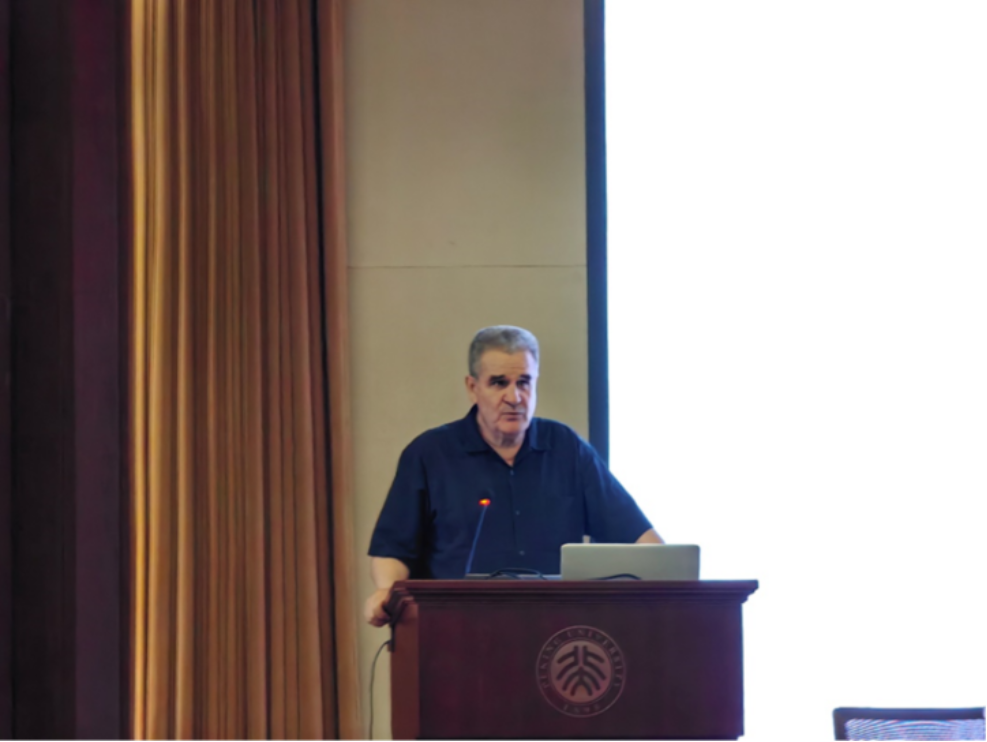
Mr. Adalberto Noyola, Director of Center for Mexican Studies (UNAM China), delivered the opening remarks. He reviewed the long-standing partnership between the two universities and noted that various exchange programs have greatly promoted cultural exchanges between China and Mexico. Joint translation projects undertaken by the two universities have also yielded fruitful results, such as Selected Contemporary Mexican Short Stories, coordinated by Professor Fan Ye, which features short stories by five Mexican writers translated by five master's students from the Department of Hispanic Languages and Literatures. He expressed his hope that both sides would maintain close cooperation and further promote cultural exchange.
During the lecture, the two speakers sketched the landscape of contemporary Mexican literature from multiple perspectives. Santibáñez explored the major themes in the works of contemporary Mexican women writers. She pointed out that Mexican women continue to face violence both within the family and in broader society. Since the beginning of the twenty-first century, women writers in Mexico have enjoyed greater freedom in writing and publishing, with more diverse stylistic approaches, giving rise to outstanding writers such as Cristina Rivera Garza, Fernanda Melchor, and Brenda Navarro. Combining social realism with formal innovation, their works address issues including gender-based violence, the challenges of motherhood, socioeconomic inequality, and environmental degradation, while often incorporating elements of fantasy and science fiction. Santibáñez emphasized that these writers not only provide profound reflections on social realities but also make significant literary contributions.
Cerdán reviewed the development of Mexican literature since the nineteenth century. He noted that the concept of autofiction, introduced into Mexico from France in the late twentieth century, inspired many Mexican writers to turn toward narratives centered on the self, drawing upon personal experiences and bodily perceptions as creative material. He also discussed the growing decentralization of contemporary Mexican literature. Whereas literary production and publishing had long been concentrated in Mexico City, the twenty-first century witnessed the rise of writers from northern states, whose works depict the social realities of the U.S.–Mexico border region and have given prominence to what is now known as “Northern Literature”. Against this backdrop, with the help of online platforms such as blogs, the self-expression of contemporary Mexican writers is moving forward in a more personalized and diversified direction.
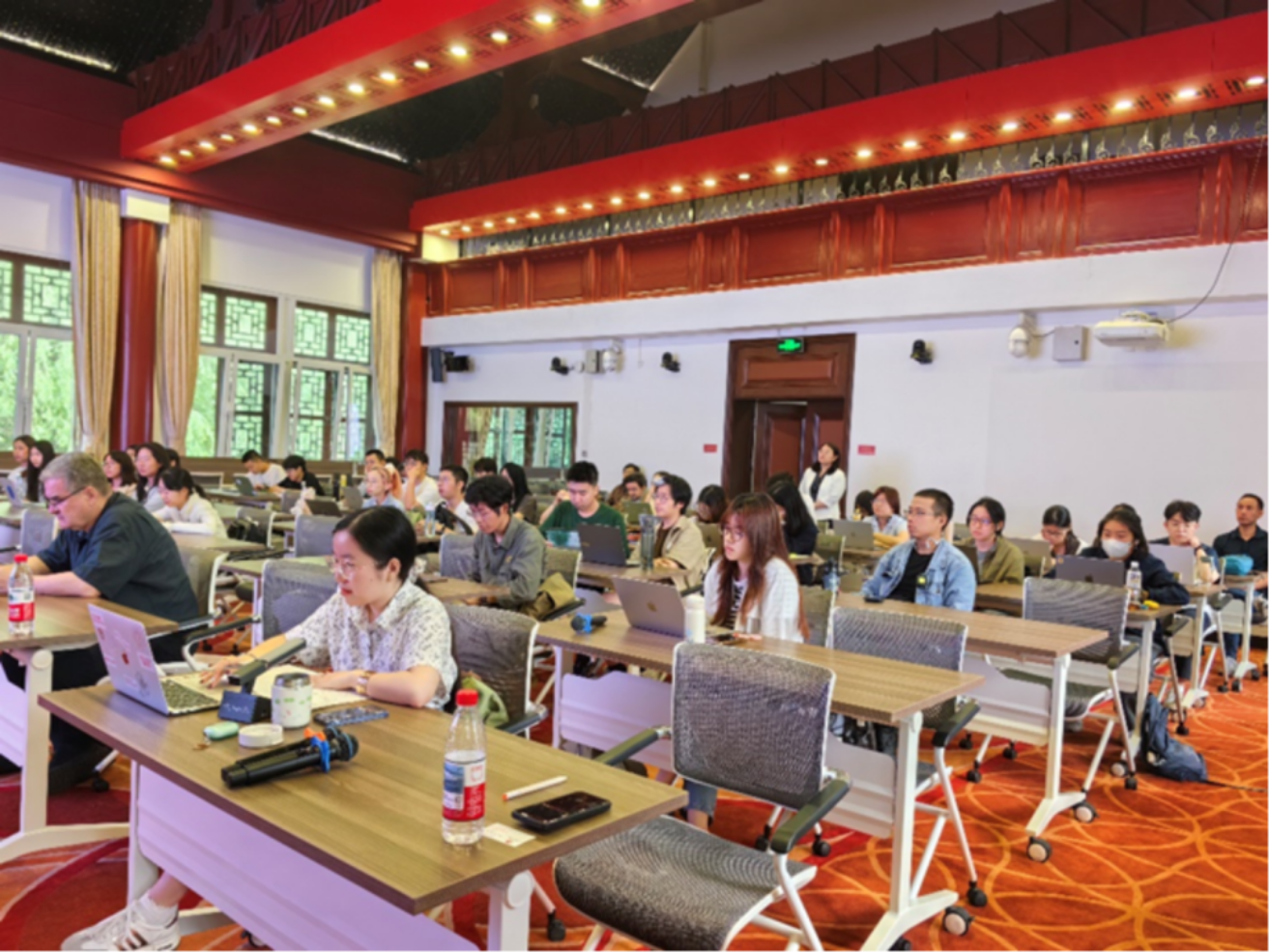
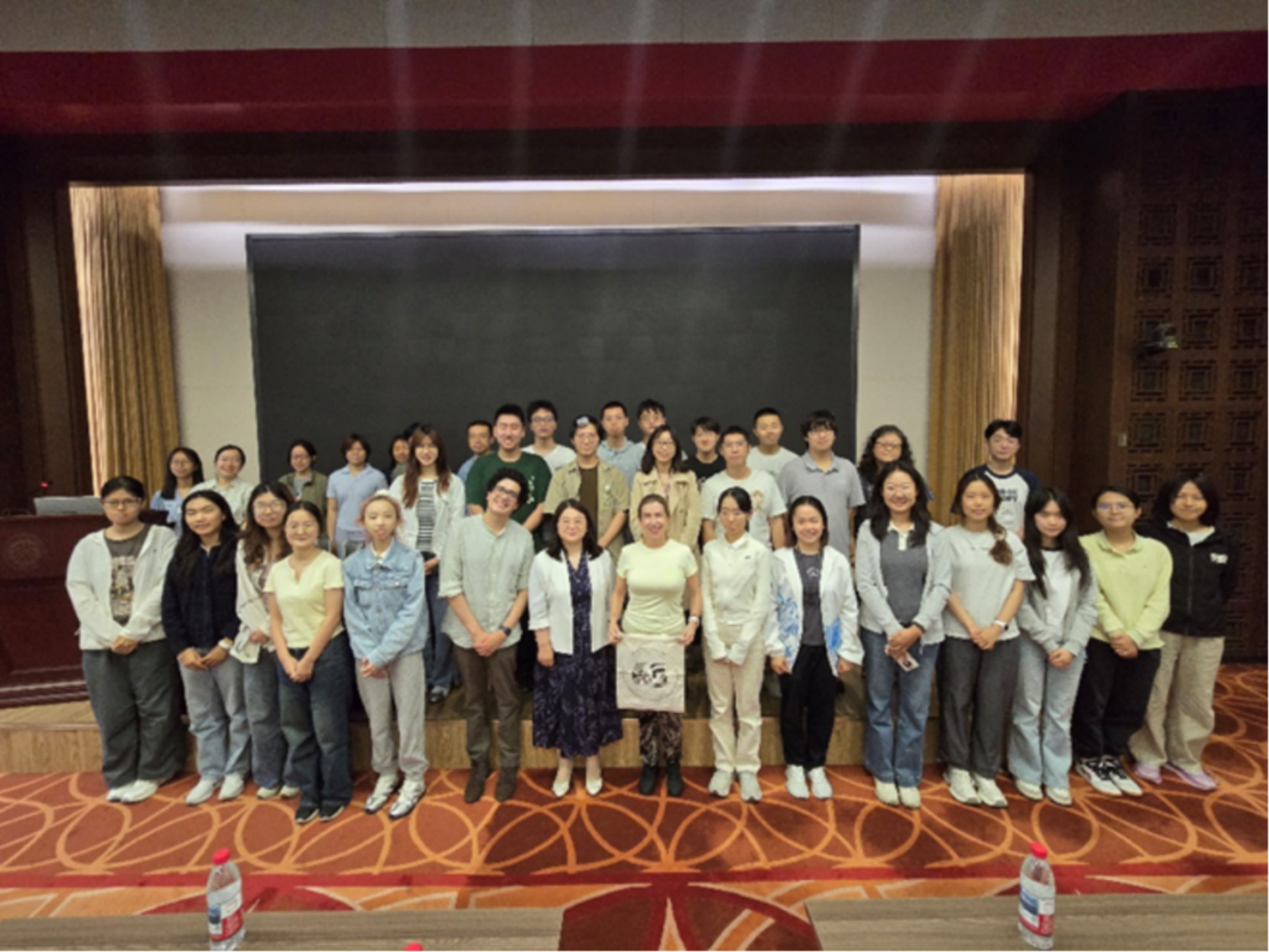
During the Q&A session, faculty members and students engaged in lively discussions with the speakers on topics including the differences between generations of women writers and the global contributions of Mexican literature. At the conclusion of the event, Professor Lu Yanping presented commemorative gifts on behalf of the Department, and all participants joined for a group photo. This lecture was an important component of the Department’s course Academic Frontiers and Interdisciplinary Research. Looking ahead,, the Department of Hispanic Languages and Literatures will continue to invite leading domestic and international scholars to build a broader platform for international academic exchange.
Contributor: Department of Spanish Language and Literature, School of Foreign Languages, Peking University
Translation: Song Yucen